100+ Hours of Closed-Door Conversations with Founders : How Hans Lukiman Drives Judgement, Focus, and Value Creation
In more than 100 hours of closed-door mentoring sessions, one pattern recurs: the decisions that determine a company’s trajectory are rarely about what to do. They are about what not to do.
For founders in the Endeavor network, these are the moments where clarity is scarce, trade-offs are consequential, and the cost of a wrong call compounds rapidly. This is where mentorship creates measurable value.
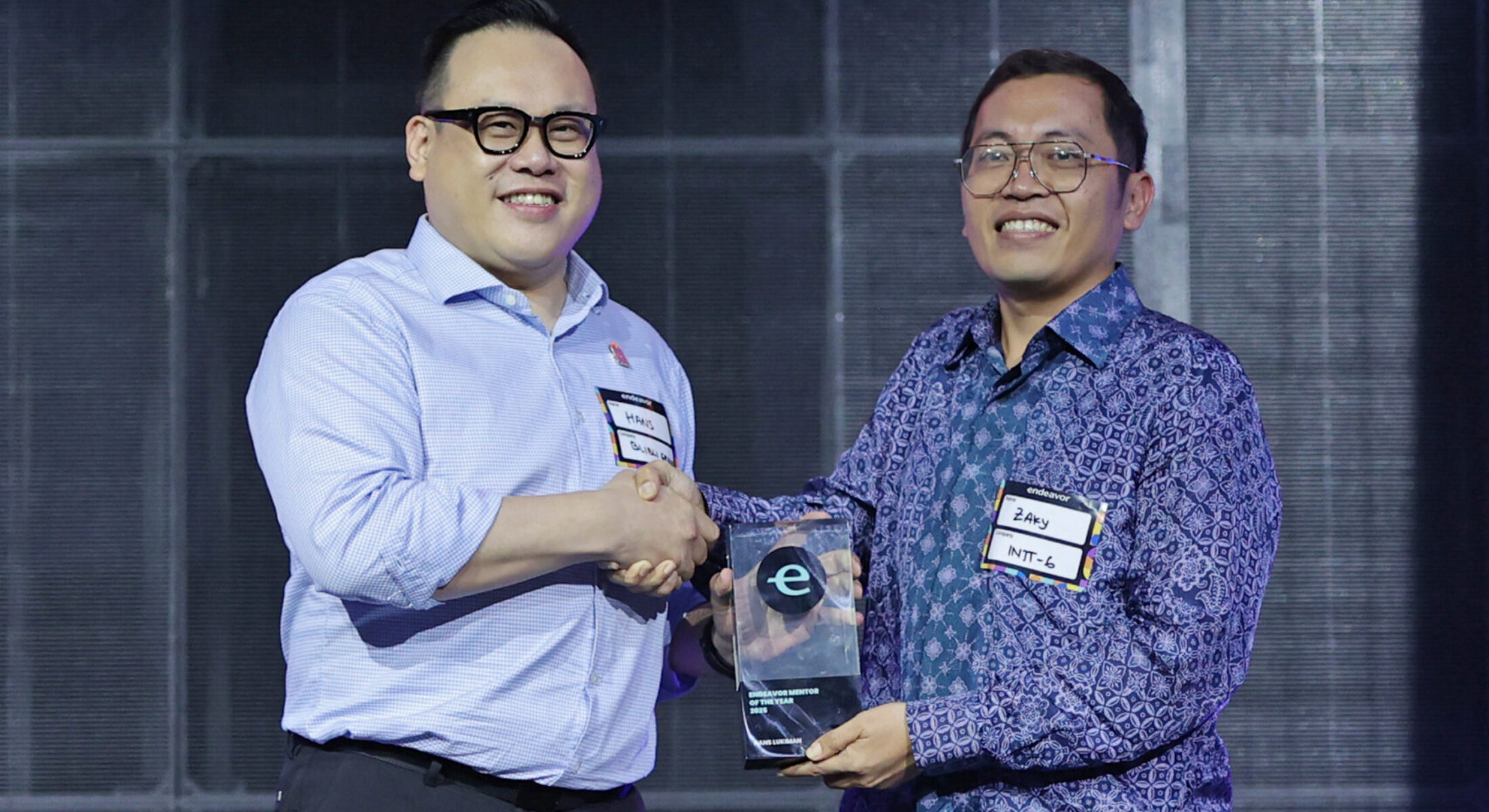
This year, Hans Lukiman is recognized as Endeavor Mentor of the Year 2025—not for hours logged, but for the quality of commercial judgment he brings to the table.
Where It Starts: Commercial Judgement
Hans Lukiman did not set out to become a mentor. It started, as many things do in Indonesia’s tightly connected technology ecosystem, as a simple idea of paying it forward.
"It’s been an enormously fulfilling journey—much more than I thought it would be."
Hans Lukiman
Behind closed doors, founders do not arrive with polished decks.
They arrive with uncertainty: whether to double down or pivot, expand or consolidate, build further or let go. These are inflection points where the next move carries real P&L consequences.
Drawing from years in management consulting and corporate leadership, Hans brings structure to these conversations—not by imposing answers, but by reframing the problem.
He breaks complexity into manageable components, challenges assumptions that have gone unquestioned, and guides founders back to the fundamentals they may have overlooked.
"What founders take away is not simply a better strategy. It is clarity on what drives value, what constitutes distraction, and what needs to happen next."
The Question Most Founders Skip
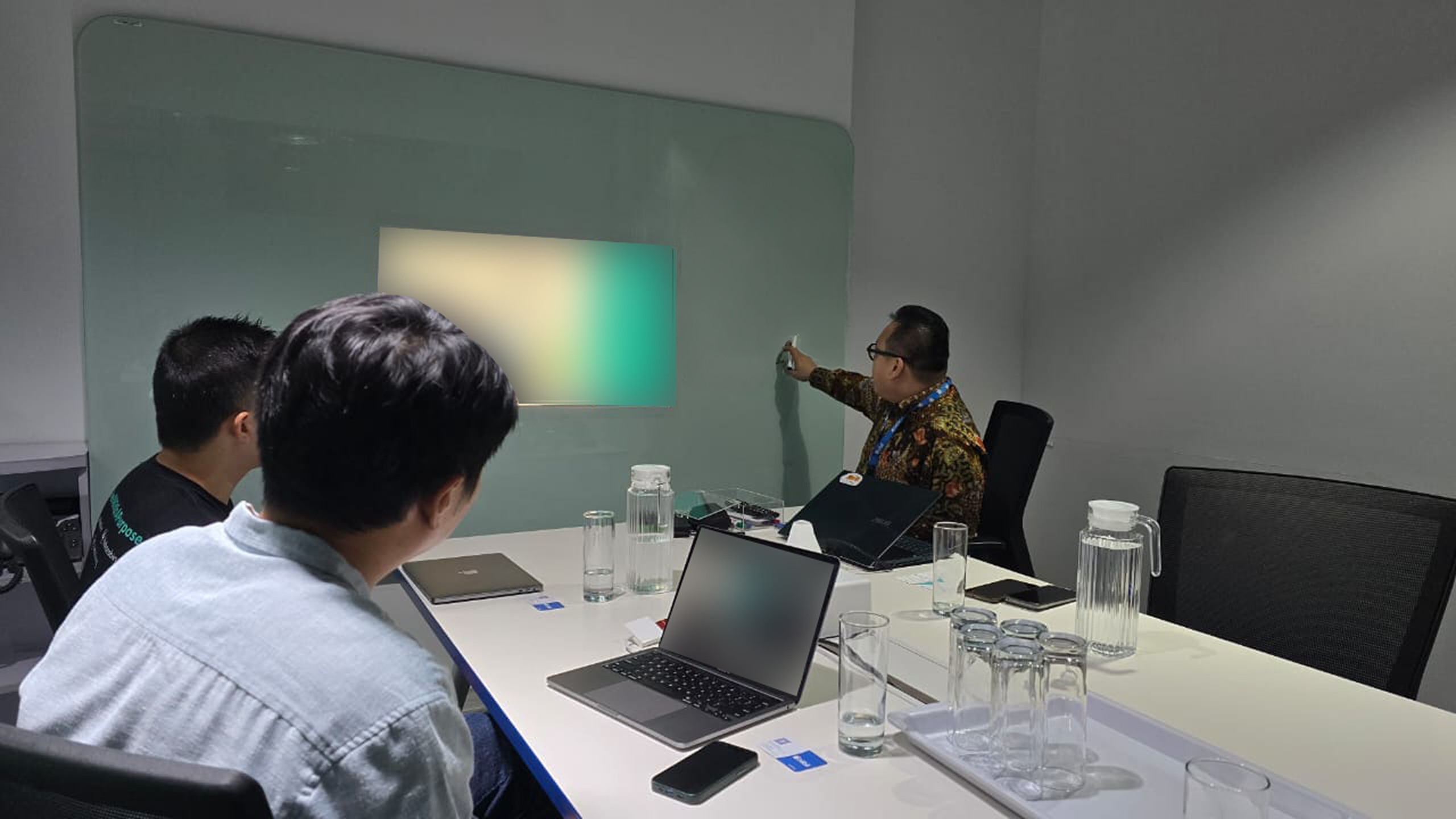
Across more than 100 hours of mentoring, one pattern is consistent. Founders move fast. They execute. They chase growth. But too often, they skip the most fundamental question: what does winning actually mean?
Is it market share? Profitability? Category dominance? Without that clarity, even the strongest teams begin to drift—pulled in different directions by opportunity, competitive pressure, and noise.
Instead of jumping to solutions, Hans slows the conversation down. He brings founders back to first principles.
"If you don’t know where you’re going, how do you map how to get there?"
What is the end goal? What are you optimizing for? Are your decisions actually aligned with that objective?
Without a clear destination, execution, no matter how strong, loses direction. And misdirected execution is the most expensive kind.
Where Focus Creates—or Destroys—Value
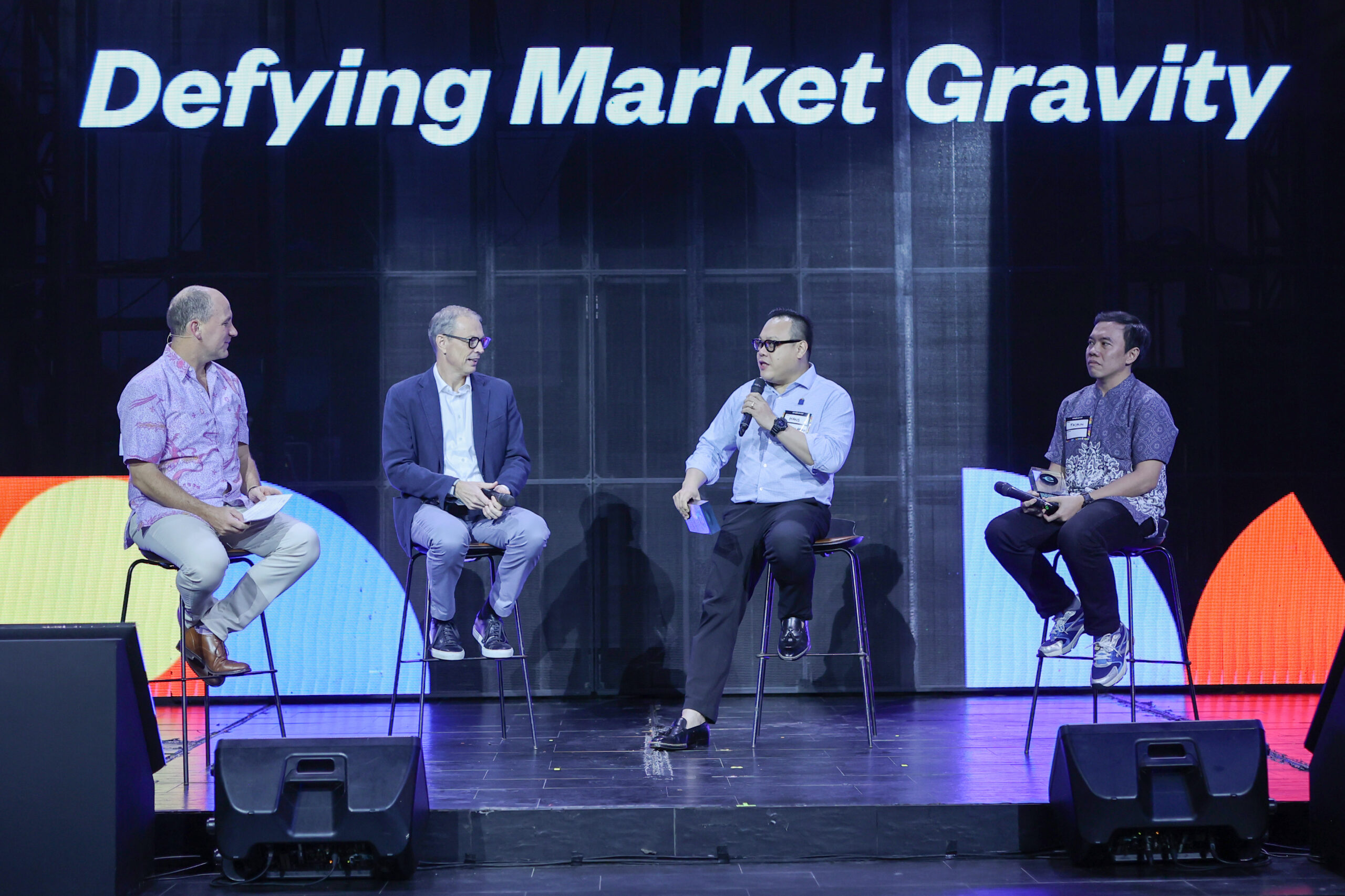
In one session, a founder presented what appeared to be a compelling next move: a new product line, built internally, complex by design, positioned as a natural extension of the core business. On paper, it made sense.
Hans did not challenge the ambition. He challenged the assumption behind it: why this—and why now?
His view was direct: focus is a capital allocation decision.
It is not merely about saying yes to the right things. It is about having the discipline to say no to everything else.
Rather than building everything in-house, he proposed alternative paths—partnerships, white-labelling, leveraging existing solutions—freeing the company to concentrate engineering and management bandwidth on what genuinely drives competitive advantage.
It is a pattern he observes frequently: companies overbuilding instead of prioritising, expanding before they have established genuine defensibility, holding onto initiatives not because they are strategic but because of sunk-cost attachment.
"Sometimes, the hardest decision is letting go."
Expansion, and Its Discontents
A similar logic applies to international expansion.
For founders, entering new markets signals progress—scale, ambition, momentum.
In practice, expansion frequently exposes underlying weaknesses rather than masking them.
"If you haven’t truly won your home market, expanding abroad can mean losing both."
A business that lacks defensibility domestically is unlikely to find it elsewhere. Resources—particularly talent—are diverted. Attention fragments. Execution quality drops.
Expansion magnifies existing conditions. Strength compounds. So does fragility.
The relevant questions are about readiness, not opportunity:
- Is the core business sufficiently robust?
- Is the domestic position defensible?
- Can the organisation sustain parallel execution without degrading either front?
- Are you scaling from strength—or escaping a problem?
In a market where capital is more selective and unit economics are scrutinised, these distinctions are material.
Candour Anchored in a Path Forward
What distinguishes Hans is not only what he identifies—but how he communicates it. Founders are rarely short of feedback. What they lack is a perspective that is simultaneously candid and actionable.
"It’s not just about pointing out what’s wrong. It’s about showing how to fix it—and what’s possible if you do."
In every conversation, there is a deliberate balance: honesty without discouragement, realism without limiting ambition, critique anchored in a credible path forward.
The objective is not to be right. It is to be useful—to help founders arrive at better decisions, faster.
What Compounds Over Time
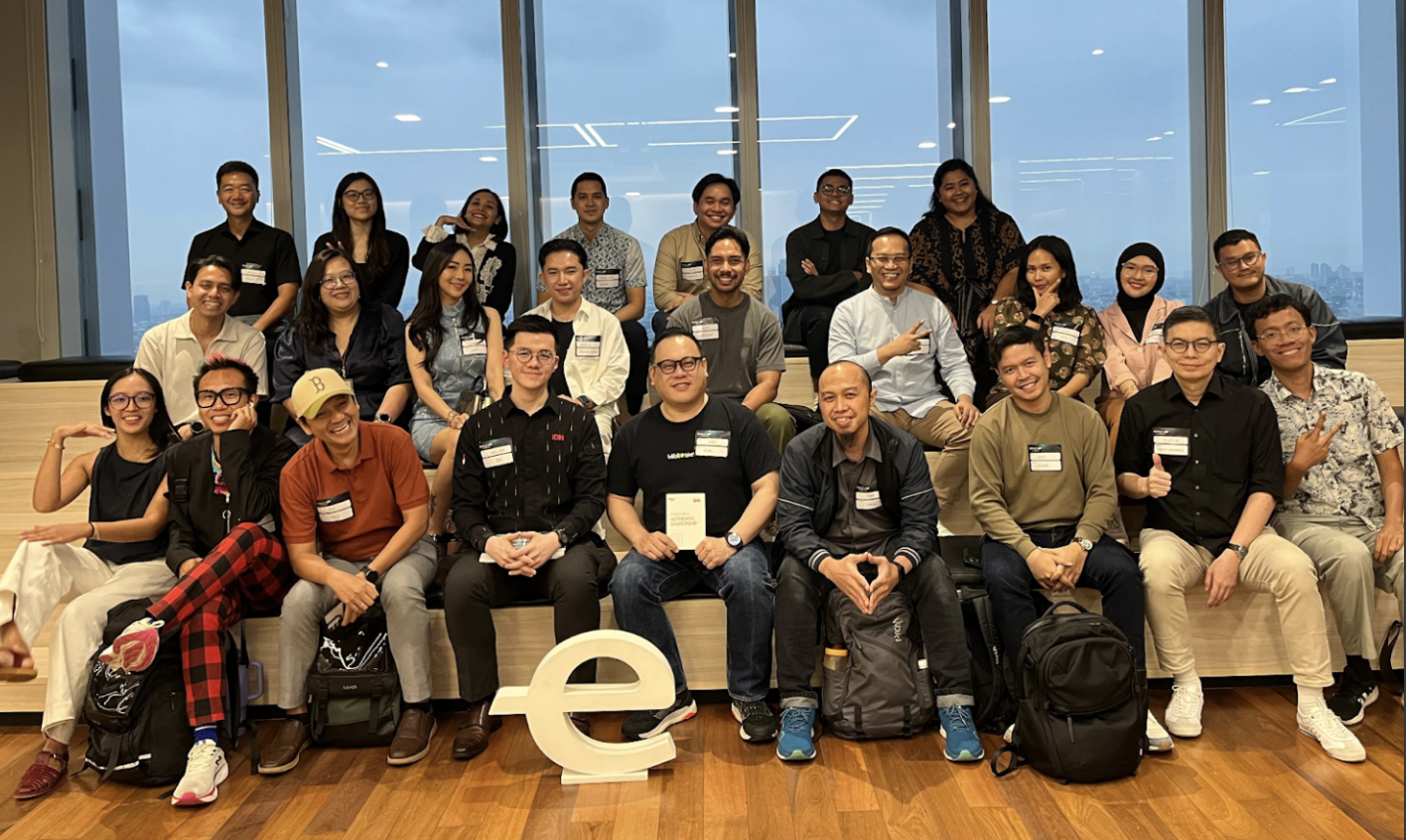
The strongest companies are built on discipline, not charisma. Across 100+ hours of mentoring, the pattern is consistent: the founders who create lasting value share two capabilities.
First, they communicate direction clearly—so teams, investors, and partners understand where the company is heading. Second, they execute with discipline: making trade-offs, prioritising what matters, and maintaining consistency over time.
Indonesia’s startup ecosystem is entering a different phase.
The first generation of founders, those who built through uncertainty, rapid growth, and shifting capital cycles, are less present in day-to-day conversations.
What follows is a structural gap: less access to operational experience, fewer opportunities to learn from those who have already navigated scale.
"There’s a wealth of knowledge in this ecosystem. It would be a shame if it wasn’t shared."
Through Endeavor, that knowledge becomes accessible—converted into structured conversations that help founders move faster, with sharper judgment and fewer avoidable errors.
Recognition, and Its Implications

For Hans, being named Mentor of the Year is less a milestone and more a signal.
"It tells me the time mattered. But it also creates responsibility."
Responsibility to keep showing up. To keep contributing.
To keep raising the standard of what mentorship should deliver.
Because in high-stakes environments, insight alone is insufficient. What compounds is consistency—the repeated ability to offer perspective when it is most needed.
The Decision-Making Environment
Behind every strong company is a series of decisions that could have gone either way. What shapes the outcome is rarely more information. It is better judgment—applied at the right time, with the right context.
This is the function Endeavor is designed to perform.
Mentors like Hans Lukiman operate as part of the decision-making environment itself:
- Connectors who open the right doors at the right time
- Sounding boards for decisions without obvious answers
- Operators who understand execution beyond theory
- Pattern recognisers who have seen how similar trajectories play out
In practice, this means founders gain access to hard-earned experience, sharper decision-making, and a network whose value compounds over time.
The Invitation
Building a company is defined not by speed alone, but by direction. And direction is shaped by who you learn from, who you pressure-test decisions with, and who is prepared to tell you what you need to hear—particularly when it is uncomfortable.
Endeavor is designed to be that room. A place where experience is shared, conversations are candid rather than performative, and decisions are sharpened before they scale.
If you are a founder navigating inflection points, making high-stakes calls, and building for the long term—this is where you should be.